
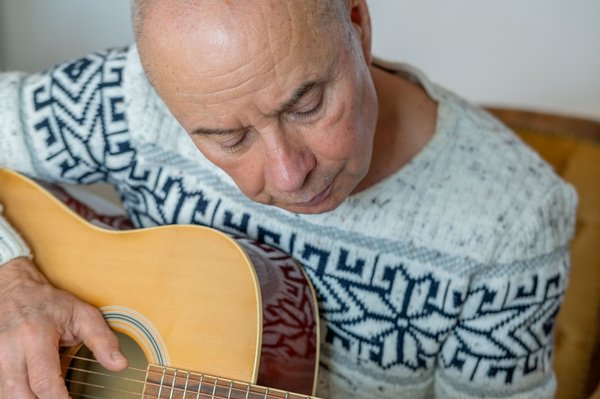
When words become harder to find and recent memories begin to fade, music can still offer a meaningful connection. For many people living with Alzheimer’s disease, a familiar song can bring back emotion, recognition, and even moments of joy. Families are often surprised to see a loved one who seemed withdrawn begin humming, tapping along, or singing lyrics they have not spoken in years.
That is part of what makes music therapy for Alzheimer's residents so powerful. Music can do more than fill the room. For families exploring dementia support options, understanding the role of music can offer both comfort and practical insight.
Why Music Can Reach Memory Differently
One reason music therapy dementia benefits are so widely discussed is that music is processed across multiple areas of the brain. Songs are often linked not only to memory, but also to rhythm, emotion, and physical response. Because of that, familiar music may still feel accessible even when other kinds of recall become more difficult.
Research into how music helps Alzheimer’s memory continues to shape how families and communities think about engagement. A personally meaningful song can prompt recognition, improve attentiveness in the moment, and create a stronger emotional response than many other types of stimulation. This is especially true when the music is tied to personal history, faith traditions, family milestones, or the resident’s young adult years.
That's why therapeutic music for dementia is most effective when it is individualized. The more personal the music, the more likely it is to support connection.
What Music Programs for Memory Care Often Include
Music programs for memory care are most effective when they are intentional and personalized. They're not just background entertainment. They're designed to meet residents where they are and create opportunities for comfort, familiarity, and participation.
These programs may include:
- One-on-one listening sessions built around personal favorites
- Group sing-alongs that encourage shared participation
- Rhythm exercises using clapping, percussion, or simple instruments
- Gentle movement tied to music residents recognize
- Calming playlists used during transitions or quieter times of day
Senior Living Near Me also highlights dementia and memory care education through our Resource Hub, guides, and podcast content, which reflects a broader focus on helping families better understand meaningful support options as needs change.
Emotional Benefits Families May Notice
For many families, the emotional impact of music is what stands out most. Even during later stages of memory loss, music can create moments that feel surprisingly familiar and reassuring. A loved one may smile, relax, sing along, or appear more connected for a few minutes at a time.
Regular musical engagement may help support:
- A calmer mood throughout the day
- Less visible anxiety or restlessness
- More opportunities for expression without pressure
- Positive moments of recognition and joy
These outcomes don't mean music changes the progression of dementia. What it can do is improve day-to-day quality of life in meaningful ways. That's a big reason Alzheimer’s music therapy research remains so relevant for families weighing different forms of support.
How Music Can Encourage Social Connection
Music also creates opportunities for connection that do not depend on conversation. For someone living with memory loss, talking can sometimes feel frustrating or tiring. Singing, listening, or moving to a familiar rhythm offers another way to participate.
In a group setting, music can help residents feel included without asking too much of them. It creates shared experiences that can reduce isolation and support emotional well-being. It can also help loved ones feel more connected during visits, especially when a familiar playlist becomes part of a comforting routine.
Simple Ways Families Can Bring Music Into Visits
Families don't need to wait for a formal session to use music in a meaningful way. Small, familiar moments can still make a difference.
A few simple ideas include:
- Create a playlist of favorite songs from early adulthood
- Include spiritual music, holiday songs, or family favorites
- Keep the volume comfortable and the setting calm
- Watch for emotional reactions and adjust the playlist over time
Sometimes music opens the door to interaction. Other times, it simply creates a peaceful shared moment. Both can be valuable.
Choosing Support That Feels Personal
When families look into music therapy for Alzheimer's residents, they are often asking a deeper question: What helps a loved one feel known, comforted, and connected?
That's one reason personalized engagement matters so much in memory support settings. Music is only one piece of the picture, but it can say a lot about how a program approaches the whole person. When music is chosen with intention and rooted in personal history, it can help preserve identity and support moments of connection that still matter deeply.

%20(54).jpg?width=1200&height=630&name=New%20Episode%20(1200%20x%20630%20px)%20(54).jpg)